

An ankle injury can happen in a split second. You jump for a rebound, land after a spike or quickly change direction, and suddenly you’re unable to continue playing.
For basketball and volleyball players, ankle injuries are among the most common reasons for time spent on the sidelines. While the initial injury can be frustrating, how you approach your recovery can play an important role in your future performance and long-term ankle health.
At Bradford Sports Medicine Professionals, we believe that successful rehabilitation is about more than eliminating pain. It’s about helping athletes regain the strength, stability, mobility and confidence they need to return to their sport.
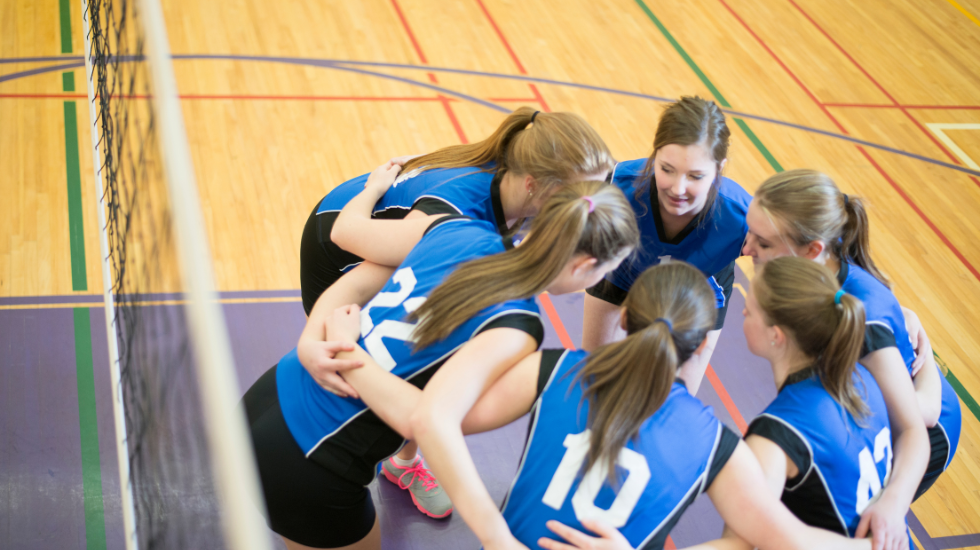
Why Are Ankles Particularly Vulnerable in Court Sports?
Basketball and volleyball involve explosive movements that require the ankles to respond quickly to changing forces and positions.
Throughout a practice or game, your ankles are responsible for:
- Absorbing impact when landing from a jump
- Maintaining balance during rapid changes in direction
- Generating force when pushing off the ground
- Supporting lateral movements and pivots
- Providing stability during unpredictable movements
When an athlete lands awkwardly, steps on another player’s foot or loses control during a sudden movement, the forces placed on the ankle can exceed what its supporting structures can tolerate.
Not All Ankle Injuries Are the Same
Although ankle sprains are common in basketball and volleyball, athletes can experience several different types of ankle injuries.
Lateral Ankle Sprains
These occur when the foot rolls inward, stretching or tearing the ligaments on the outside of the ankle. Symptoms often include swelling, bruising, tenderness and difficulty walking.
High Ankle Sprains
These injuries affect the ligaments connecting the two lower leg bones above the ankle joint. They can result from twisting movements and often require a longer rehabilitation period.
Achilles Tendinopathy
Repeated jumping, sprinting and explosive movements can contribute to irritation of the Achilles tendon. Athletes may experience stiffness, tenderness or pain at the back of the ankle, particularly during or after physical activity.
Ankle Impingement
Some athletes experience pinching or discomfort at the front or back of the ankle during certain movements. This may be associated with repetitive stress, previous injuries or changes within the ankle joint.
Identifying the specific cause of ankle pain is important in determining the most appropriate treatment approach.
The Different Stages of Ankle Injury Recovery
Every injury is different, but rehabilitation following an ankle injury generally involves several stages.
Stage 1: Managing Pain and Protecting the Injury
Following an acute ankle injury, the initial focus is on protecting the injured structures, managing discomfort and swelling, and determining the severity of the injury.
An assessment can help establish whether further medical investigation or imaging is required.
Stage 2: Restoring Movement
As recovery progresses, appropriate exercises can help restore ankle mobility and improve everyday movements such as walking, climbing stairs and squatting.
Stage 3: Rebuilding Strength and Stability
Once appropriate, rehabilitation progresses to strengthening the muscles surrounding the ankle and improving balance and coordination.
This stage is especially important for athletes who need to react quickly to unpredictable movements on the court.
Stage 4: Preparing for Sport-Specific Movements
Being able to walk comfortably is not the same as being ready to play basketball or volleyball.
Rehabilitation may gradually incorporate hopping, jumping, landing, lateral movements, acceleration and changes in direction to prepare the ankle for the demands of competition.
Stage 5: Returning to Practice and Competition
A gradual return to training allows athletes to rebuild confidence and assess how their ankle responds to increasing physical demands.
The timing of each stage depends on the type and severity of the injury and the individual’s progress.
Is Your Ankle Really Ready to Return to Sport?
One of the most common mistakes athletes make is returning to competition as soon as their pain improves.
Before returning to full participation, it is important to consider:
- Are you experiencing pain during or after activity?
- Has your ankle mobility returned?
- Have you regained sufficient strength and endurance?
- Can you balance and perform controlled single-leg movements?
- Can you jump, land and change direction with confidence?
- Can you complete sport-specific training without significant symptoms?
A physiotherapist can assess these factors and help determine whether you’re ready to progress to more demanding activities.
Returning too soon may increase your risk of reinjury and potentially prolong your overall recovery.
When Should You Seek Professional Help?
Ankle injuries should be assessed if you experience ongoing pain, recurring swelling, instability, restricted movement or difficulty returning to your usual activities.
If you experience severe pain, an obvious deformity, numbness, an inability to bear weight or a sudden popping sensation accompanied by difficulty pushing off your foot, seek prompt medical attention.
Even if an injury occurred weeks or months ago, persistent ankle symptoms are worth investigating.
Ankle Injury Rehabilitation at Bradford Sports Medicine Professionals
Our team understands the physical and mental challenges that come with being sidelined by an injury.
Through individualized assessment and treatment, we can help athletes work towards restoring movement, rebuilding strength and returning to their sport with greater confidence.
Depending on your needs, your rehabilitation program may include manual therapy, therapeutic exercises, balance training, sport-specific rehabilitation and recommendations for ankle bracing or additional support.
Whether you’re a young athlete, a competitive player or a recreational sports enthusiast, we’re here to support you throughout your recovery.
Your recovery doesn’t end when the pain goes away. It continues until your body is prepared for the demands of your game.
Contact Bradford Sports Medicine Professionals to book an assessment.
160 Holland Street West, Unit 1, Bradford, Ontario
905.775.3600 | bradfordsportsmed.com